
Angie Gil's Fundraiser
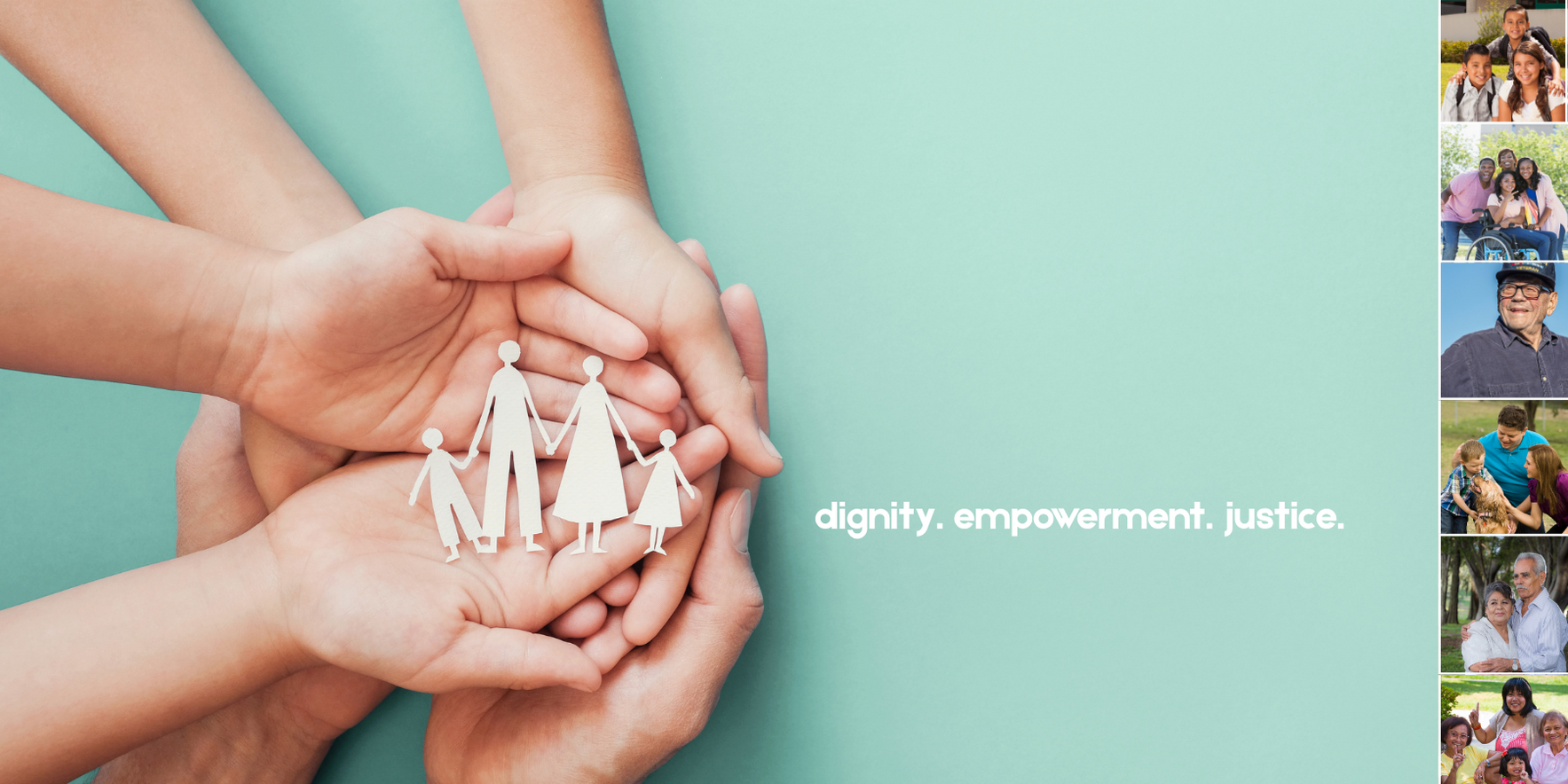
Help MHAS provide free legal services to low-income folks with mental health disabilities

A supporter of Angie Gil
I donated in support of this campaign.
$25
A supporter of Angie Gil
"Mental Health Matters!"
$100
For nearly 50 years, Mental Health Advocacy Services (MHAS) has stood beside low-income adults and children with mental health disabilities—providing free legal services to protect their rights and expand access to opportunity.
This year, we are calling on our community to stand with us once again.
Across Los Angeles County, the individuals and families we serve are navigating growing challenges—rising housing costs, deepening economic instability, and persistent barriers to mental health care, education, and employment. At the same time, critical legal protections and safety nets are increasingly difficult to access or enforce, leaving many of our clients at risk of losing the stability they’ve worked so hard to build.
Today, MHAS’ services are more important than ever before.
Our attorneys and advocates work alongside clients to help them understand and assert their legal rights—often at pivotal moments that determine whether someone remains housed, maintains income, or accesses essential services. Through free legal advice and representation, we help people navigate complex systems so they can live with dignity, stability, and autonomy.
This Mental Health Awareness Month, we invite you to take action by making a donation. Every dollar raised through this campaign directly supports free legal services for people who would otherwise face these systems alone.
Your support helps ensure access to:
- HOUSING: Fighting housing discrimination, securing reasonable accommodations, preventing evictions, and increasing housing stability
- PUBLIC BENEFITS: Helping individuals and families secure income and resources to meet basic needs
- SPECIAL EDUCATION SERVICES: Ensuring children and youth receive the support they need to succeed in school
- EXPUNGEMENT: Removing barriers to employment and housing for individuals impacted by the criminal legal system
- AND MORE
Together, we can build a future where people with mental health disabilities are not defined by barriers—but are supported in living the lives they choose.
We can’t do this without your partnership.